
Bleisure Travel: The Rise of Mixing Business with Pleasure
Originally published by Roger Sands · Curated for BAIO Insights
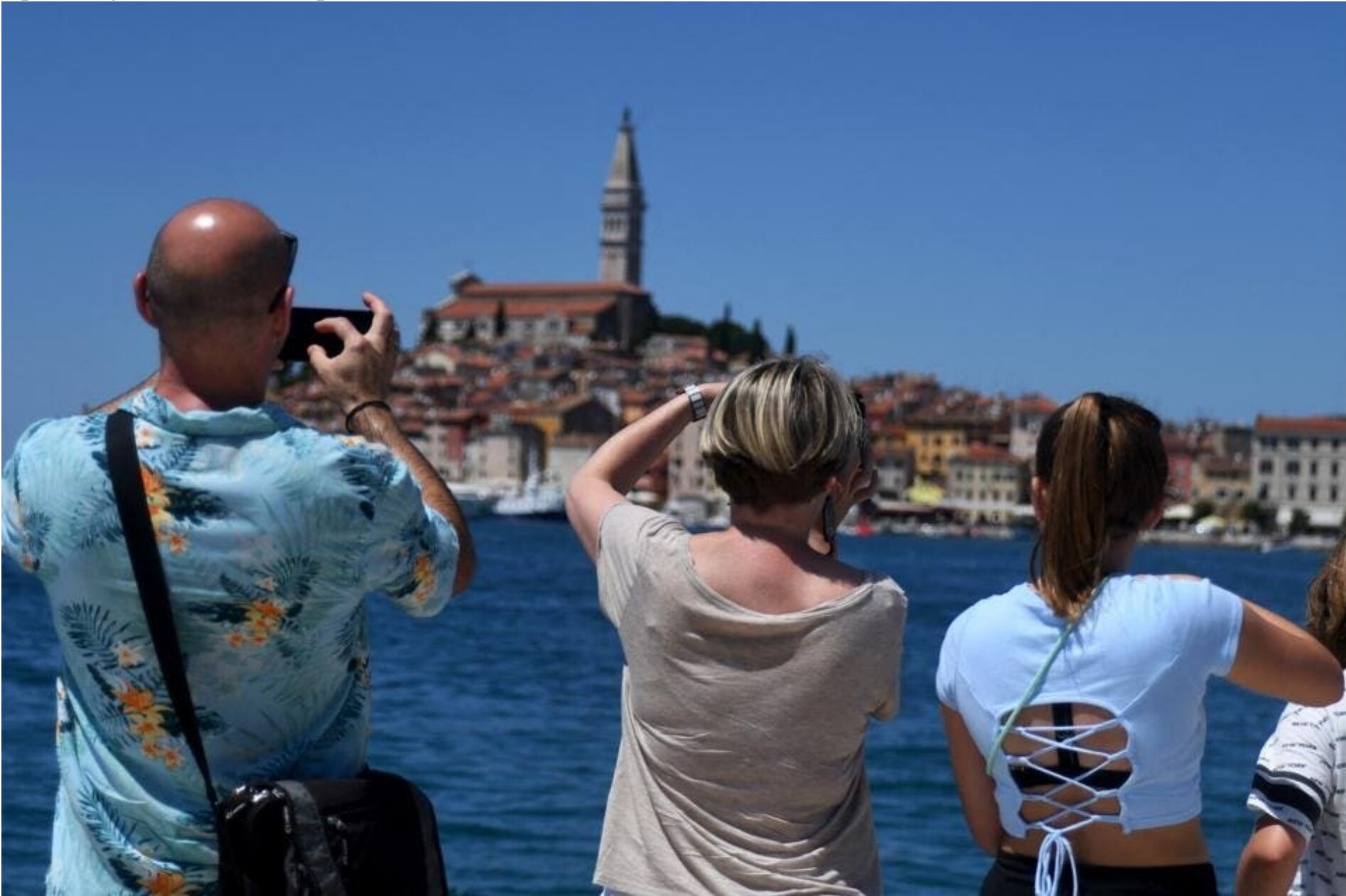
Bleisure travel is rapidly gaining in popularity.
The concept of a workcation — in which people travel to a vacation destination but work while on the trip in order to save paid time off — has been around for many years. However, bleisure, which merges the words leisure and business, adds extra days at the beginning or end of a business trip, offering employees additional rest and relaxation before or after diving into work.
Bleisure trips became very popular a few years ago after travel restrictions were lifted and a growing number of workers started returning to business trips. Often wanting to take their loved ones with them for a respite from the isolation everyone had been subjected to, these trips evolved into hybrids of work and pleasure.
"Many business events have a full itinerary in a conference room setting, so guests have not been able to explore everything we have to offer. We often get requests for groups to extend their stays and invite their families for the weekend."
Research indicates that nearly half of American workers now embrace the concept of bleisure travel, and bleisure trips currently reach a worldwide market value of nearly $600 billion. The market is expected to grow by around 500% or more over the next decade.
According to Routespring, a top-rated travel management platform, around 40% of business trips are extended for bleisure travel — a 20% increase from 2016.
Popular forms of bleisure travel
- City breaksExtending a business trip to a major city to explore its cultural attractions and museums.
- Adventure travelCombining a work conference in a scenic location with outdoor activities like hiking, diving or water sports.
- Visiting friends and familyUsing a work trip to catch up with loved ones in a different city or country.
- Relaxation getawaysAdding a few days to a business trip to unwind at a resort or spa.
What this means for hotels in Indonesia
Indonesia sits in an unusual position. Unlike most markets where bleisure is grafted onto a corporate-heavy hotel base, here the inverse is true: the leisure infrastructure is mature, but the corporate offer is often an afterthought. The opportunity for owners and operators is to stop treating MICE and leisure as separate businesses and start designing for the guest who is both — sometimes within the same trip.
That has real implications for product. Meeting rooms with daylight rather than basements. Reliable workspace inside the room. F&B that works at 8am and at 8pm. Spa hours that match a working schedule.
For hotels considering a repositioning, the bleisure traveller is one of the clearest growth segments to design around — provided the operational reality matches the marketing.
Considering a repositioning?
We help owners reposition existing hotels for the segments that will actually drive the next decade of demand.
Start a conversation