
Hotel Renovation Feasibility: Essential Guide to Ideas, Process, Costs & Projects in 2026
Curated for BAIO Insights · October 2025
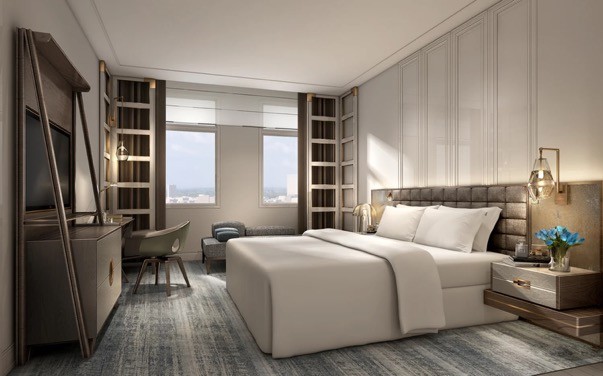
1. Understanding hotel renovation feasibility
Hotel renovation feasibility determines whether upgrading your property makes financial and operational sense. The assessment weighs benefits like increased bookings against expenses and disruption, using data-driven tools to predict success.
Factors influencing feasibility
- Guest feedback analysisIdentify recurring pain points from reviews and direct feedback.
- Competitive benchmarkingCompare against nearby hotels and recent updates in the comp set.
- Economic projectionsForecast revenue growth and ADR uplift post-renovation.
- Regulatory complianceEnsure alignment with local building codes and licensing.
A thorough hotel renovation feasibility study can boost occupancy by 10–25%.
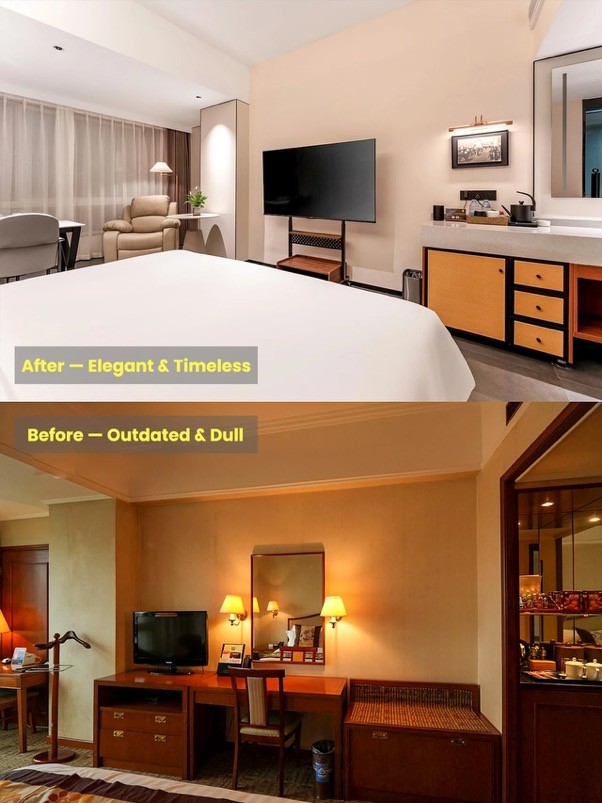
2. Exploring hotel renovation ideas
Public areas
- Interactive digital walls in lobbies for personalised welcomes.
- Multi-functional lounges with modular seating for events.
Guest room concepts
- Sleep-optimised lighting and aromatherapy diffusers.
- Convertible furniture for remote workers and longer stays.
3. The renovation process
Phase 1 — Pre-construction planning
- Assemble the design team and finalise the feasibility study.
- Secure funding and permits (4–6 weeks).
Phase 2 — Execution and monitoring
- Demolition and core upgrades (2–4 months).
- FF&E install with weekly progress checks.
Phase 3 — Completion and launch
- Final walkthroughs and staff training (2–4 weeks).
- Grand reopening with targeted marketing.
A streamlined renovation process can cut delays by up to 30%.
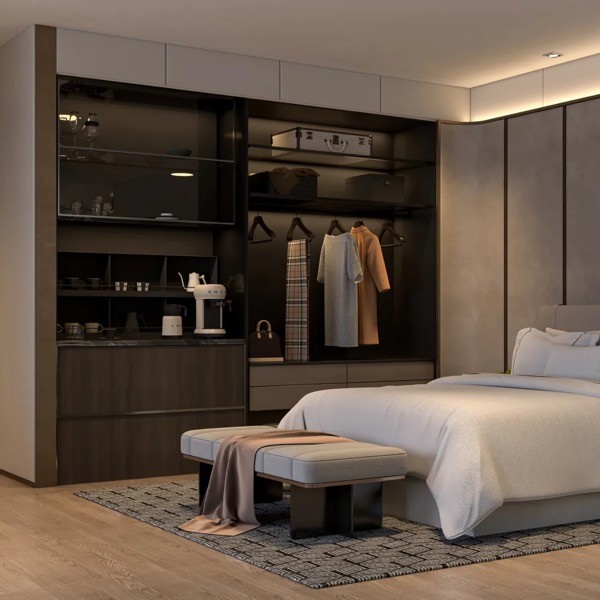
4. Real-world reference projects
- The Line Hotel, Washington DCA $60M refresh added rooftop infinity pools, lifting RevPAR by 22%.
- Ace Hotel BrooklynGuest room renovation with local art installations increased social media engagement by 40%.
- Marriott Bonvoy propertiesChain-wide standardisation of smart room tech, saving 15% on energy.
- Kimpton HotelsBoutique projects emphasising wellness, boosting loyalty rates.
5. Guest room essentials
- Replace outdated carpets with antimicrobial vinyl plank flooring.
- Upgrade bathrooms to spa-style with rain showers and refreshed vanities.
- Embed USB-C ports and wireless charging in nightstands.
- App-controlled thermostats for energy efficiency.
Effective renovation typically yields 15–20% higher guest ratings.
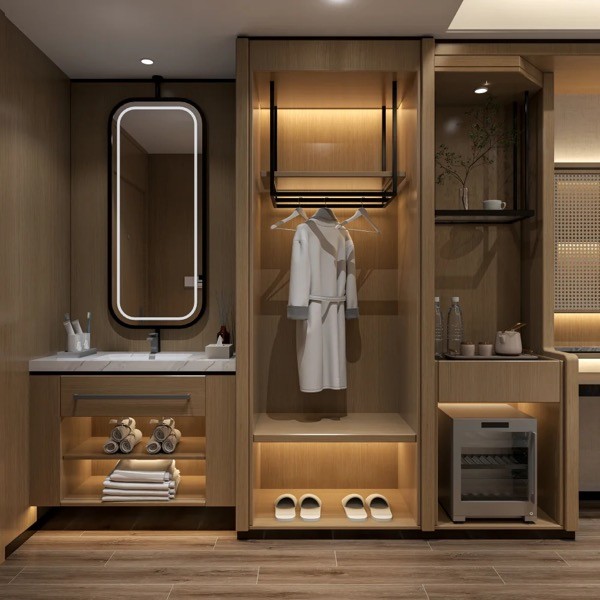
6. Cost per room — 2026 estimates
- Economy hotels$8,000–$15,000 per room — paint, bedding, lighting refresh.
- Midscale hotels$20,000–$40,000 — HVAC upgrades and refreshed furniture.
- Upscale hotels$45,000–$80,000 — smart tech integration and custom millwork.
- Luxury hotels$90,000–$200,000 — premium finishes and integrated AV.
Bulk procurement can cut FF&E costs by up to 20%, while phased renovation schedules minimise revenue loss.
Well-planned renovations typically achieve ROI within 2–3 years.
What this means for hotels in Indonesia
Renovation decisions in Indonesia rarely fail on design — they fail on sequencing. Owners commit to scope before the feasibility numbers are stress-tested. The hotels that win treat renovation as an operational reset, not a cosmetic one.
Considering a renovation?
We help owners pressure-test renovation scope and sequencing — before the capex is committed.
Start a conversation